Commercial solar systems can operate without energy storage — this is only feasible where the national grid is stable, loads align with daylight hours, and outages are rare. In weak-grid markets, outage-prone regions, or sites requiring power after dark, batteries convert solar from a daytime cost saving into a reliable power supply. Oversizing batteries is unnecessary. The core question is not "how large should it be", but "what is the minimum capacity justified by actual load data".
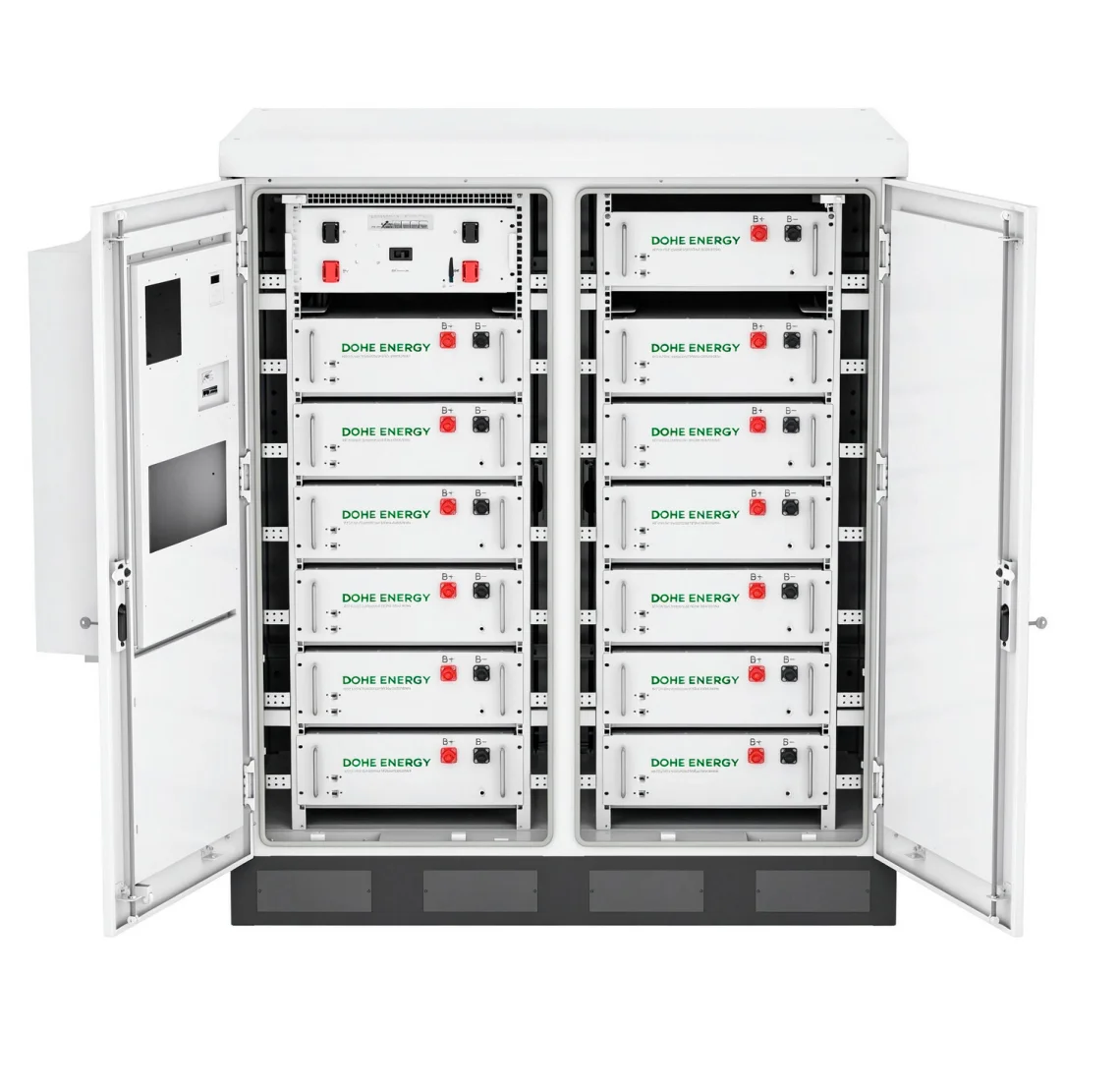
To understand why lithium batteries are a necessary component of our solar power systems, we will break down the four major shortcomings of on-grid solar systems as follows:
1. Grid Dependence: Interconnection Limits, Weak Grids, and Curtailment
All on-grid commercial solar systems require utility approval prior to grid connection. Such approval is increasingly granted with restrictive conditions, as traditional distribution networks were originally designed for one-way power transmission that delivers electricity from centralized generation facilities to end consumers. Injecting excessive solar power into local feeders will cause issues including voltage deviation, transformer overload and protection relay malfunction.
This brings tangible impacts to market entities: utilities now routinely set caps on grid export capacity for PV systems. Export limits for commercial projects generally range from 30 kW to 100 kW, and zero-export requirements are directly implemented in some countries. Under such policies, surplus solar generation will be directly curtailed, meaning project owners pay for generation capacity that they cannot actually utilize.
Energy storage systems can address this dilemma without expensive distribution network upgrades. By absorbing surplus power on-site instead of injecting it into the upstream grid, energy storage can recover 30–50% of the generation that would otherwise be curtailed. Additionally, in regions with tight interconnection quotas, on-site storage is always a core factor enabling the approval of interconnection applications. In markets with aging or overloaded grid infrastructure, energy storage is no longer an optional auxiliary facility, but an essential solution that makes commercial PV projects commercially viable.
2. Weather: PV Output Drops Sharply on Overcast and Rainy Days
Excluding a small number of regions with perennial near-zero rainfall, cloudy and rainy days are common across most areas. On heavily overcast days, rooftop PV systems typically only generate 10–25% of their output under clear-sky conditions—yet this occurs precisely when commercial and industrial facilities still require full power supply.
This highlights the necessity of practical system sizing. Configuring a battery energy storage system that can provide multiple days of energy autonomy is rarely economically viable for commercial and industrial sites. The practical design objective is to meet hourly demand: deploying sufficient energy storage to cover evening peak demand, overnight operations, or short periods of adverse weather, while the power grid or backup generators address rare multi-day weather events. Only this configuration delivers a reasonable investment return; full off-grid autonomy requires an entirely different budget scale.
3. Output Smoothing: Passing Clouds and Sensitive Equipment
Solar power output is inherently unsteady. A single cloud passing across the array can cause generation to fluctuate sharply within seconds. In a robust grid-tied system, this fluctuation is absorbed by the utility grid; on a weak grid, long feeder, or islanded/off-grid site, there is no component to absorb such swings, which directly causes voltage and frequency instability at the busbars.
This instability is the direct cause of equipment damage: variable-frequency drives, PLCs, CNC controllers, cold-chain compressors and laboratory instruments all cannot tolerate fluctuating power supply. A battery system equipped with a fast-response hybrid inverter acts as a buffer, maintaining stable voltage and frequency to offset transient fluctuations. If your site hosts sensitive process equipment, or you operate in a region with an inherently unstable grid, the protection provided by this configuration is often more valuable than the resulting energy savings.
4. The Most Compelling Reason: On-grid Solar Systems Cease Operation During Grid Outages
This is the point most overlooked by purchasers. For safety purposes, all on-grid inverters are required to implement anti-islanding protection -- which means when the utility grid experiences an outage, your solar system will shut down synchronously. Standards including IEEE 1547 and UL 1741 mandate this requirement to prevent lineworkers from being exposed to energized feeders.
The practical consequence is straightforward: without an energy storage battery, a grid outage leaves you without access to solar power, even at noon on a clear sunny day. Your solar panels remain idle while your production line comes to a halt.
In regions with frequent or extended outages, this factor alone reshapes the purchasing decision. A battery-backed off-grid or hybrid solar system offers an emergency power supply that keeps critical loads operational throughout the outage, and automatically resumes solar charging once the grid is restored. For cold chain facilities, pharmaceutical storage, data rooms and continuous process production lines, a single avoided shutdown can alone offset a considerable portion of the battery cost.
Right-Sizing Battery Storage: A Practical Approach to Minimum Lithium Configuration
For solar integrators, the most credible proposal is not the one with the largest battery capacity—it is the one whose capacity can be justified item by item. At Dohe Technology, we regard battery sizing as a reliability engineering practice rather than a sales activity. Our guidance for cost-conscious customers is clear: configure for critical loads plus short-duration backup first, and reserve a clear expansion path for future capacity expansion. Lithium battery systems are modular and stackable, so adding battery modules later incurs a much lower marginal cost than writing off the oversized capacity purchased today for "just in case". First confirm the availability of power backup, then determine the required backup capacity.
Start with the load, not the product catalog
A defensible minimum configuration is data-driven. Dohe collect customers' historical electricity consumption—electricity bills, available load profiles, and on-site equipment list—and split demand into two categories:

This distinction is the most effective single approach to cutting battery size. A system backing up a full site may require three to four times the capacity of one backing up only what the business cannot afford to lose.
Calculate the minimum economical capacity
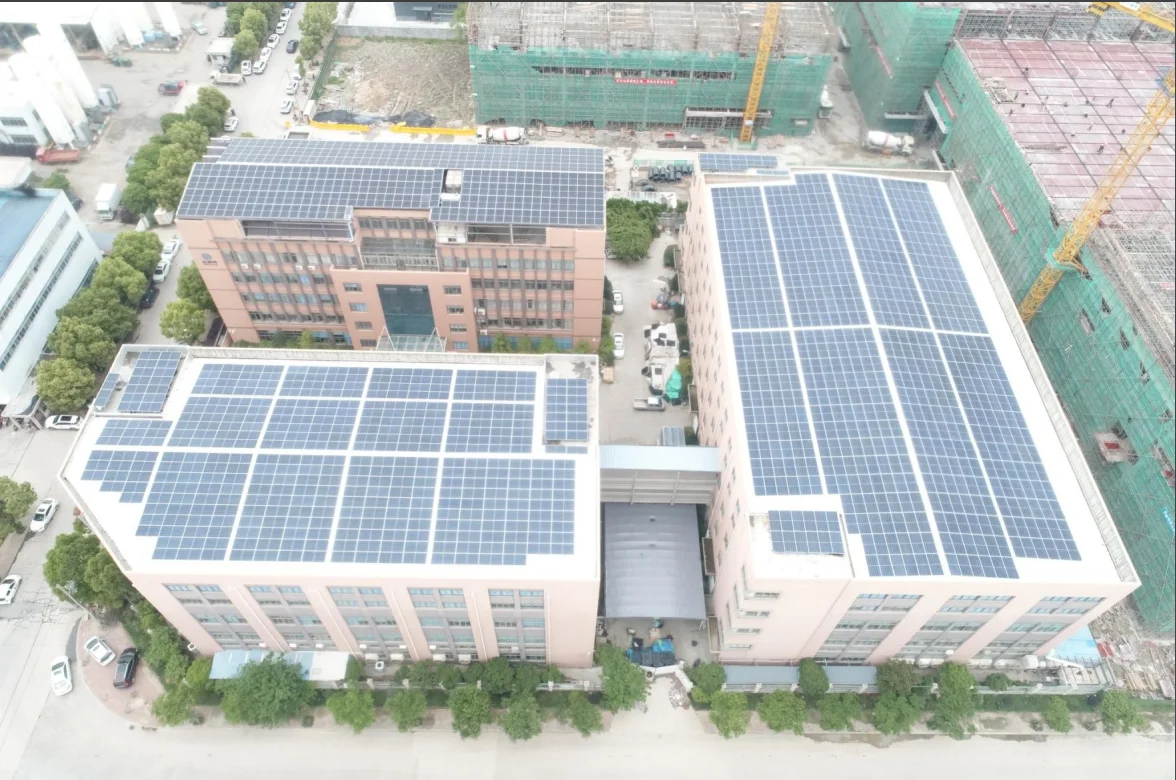
With the load profile determined, we calculate the minimum storage capacity required to meet the customer’s stated backup objective. The calculation incorporates three core elements:
1.Energy demand of critical loads throughout the planned autonomy period, measured in kilowatt-hours.
2.Depth of discharge constraints tailored for lithium battery (LiFePO₄) cells, ensuring usable capacity will not compromise cycle life.
3.Conversion losses, temperature derating, inverter efficiency, and a reserved margin for surge currents from motor-driven loads.
The output is an economically optimized battery configuration matched to a specific backup duration—commonly two, four, six, or eight hours—rather than a generic "maximum capacity" recommendation. This allows customers comparing different proposals to quickly distinguish realistic figures from inflated padding.
Match the full chain, not just the battery
PV array capacity, the hybrid inverter, and the lithium batter are sized as a coordinated system. The inverter must withstand both continuous critical load and starting surges of connected equipment; the PV array must fully recharge the battery within the site's typical daily solar window; the battery must accept charge at the voltage and current supported by the inverter. Misconfiguration of any single component leads to disproportionate extra costs: nuisance shutdowns, persistent undercharging, or an inverter that cannot support the loads it is intended to protect.
The Core Question behind Every Battery Investment Decision
Whether a photovoltaic system should be equipped with battery storage system hinges on one core metric: what is the economic cost of power outages? If the local grid is sufficiently stable, and no critical loads will incur losses from service interruptions, a battery-free grid-tied system is indeed the lowest-cost option. Where this prerequisite is not met, a battery system is not an extravagant discretionary add-on. It is the essential backup guarantee that enables the rest of the PV system to remain operational when the main grid fails.
Thinking about solar power system but still have questions? The team at Dohe Tech is here to help — contact us anytime for expert advice.


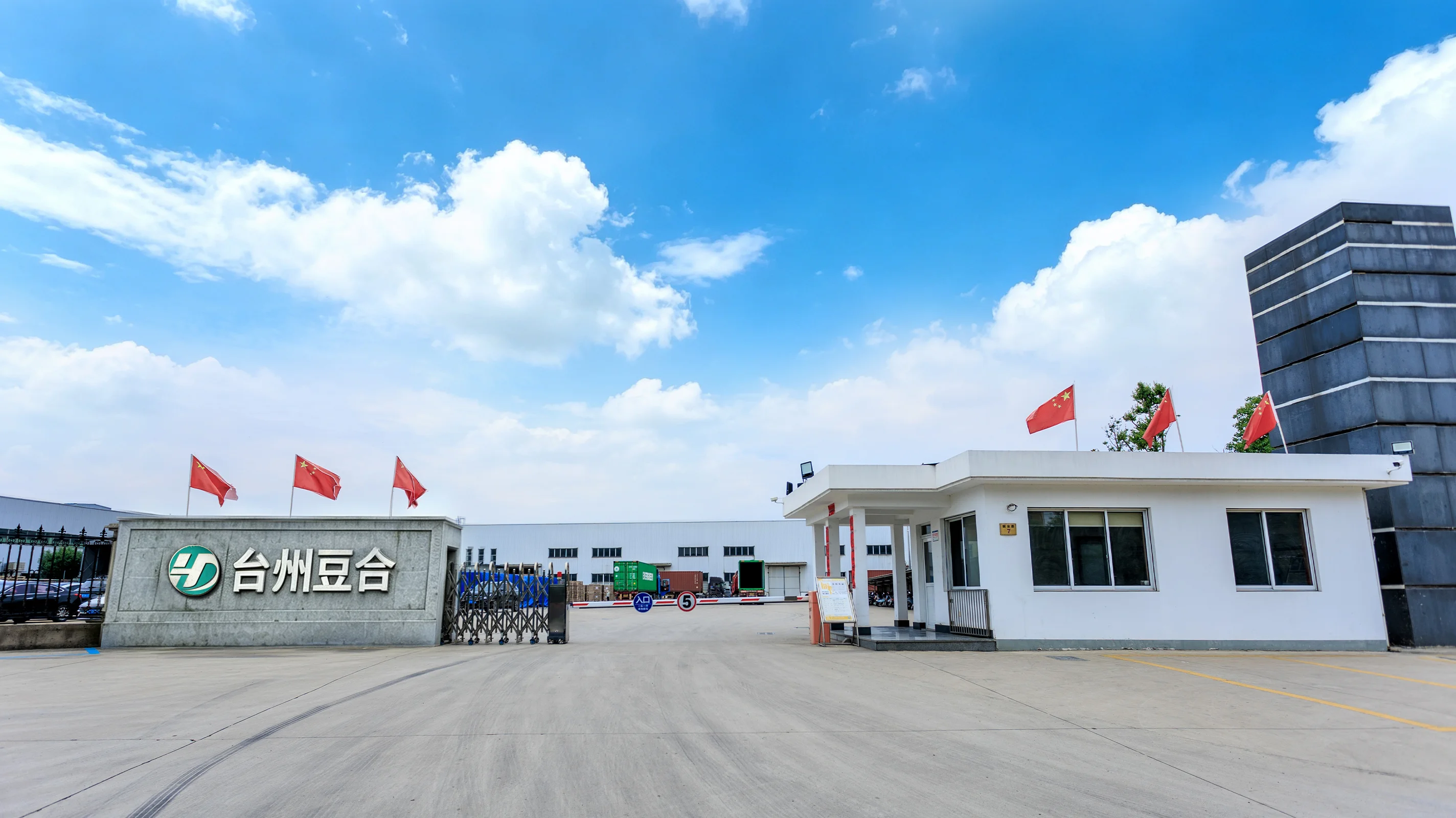 Learn About Us & Become Our PartnerDigital Empowerment, Intelligent Production
 Every Module, Built for Durability & High YieldLong Cycle Life, Excellent Temperature AdaptabilityStore Clean Energy, Empower Intelligent Low-Carbon LifeDigital Empowerment, Intelligent Energy Management
